Dispatch
Simplified Liang Pi: A Guide to Authentic Chinese Cold Skin Noodles
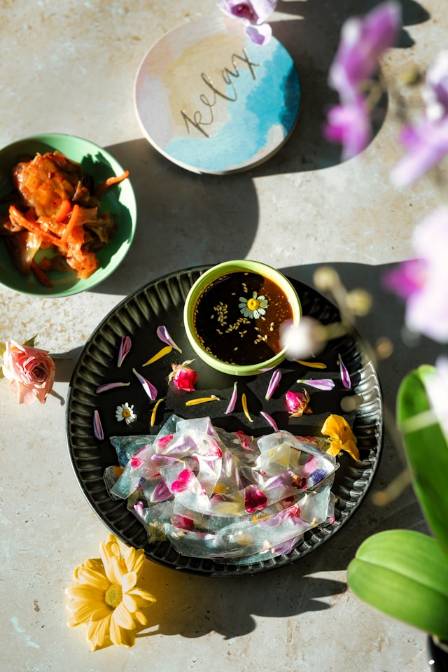
Liang Pi, or "cold skin noodles," is a legendary street food originating from Northwest China. These noodles are prized for their springy, elastic texture and are traditionally served cold with a vibrant, tangy, and spicy dressing. While the name translates to "cold skin," no animal products are involved in the noodles themselves; the name refers to their smooth, skin-like appearance and refreshing temperature.
Theo Maxwell Hartley
Rider
Desk note
Full dispatch and transfer tips sit below.
Line
Blue Line Walk
Liang Pi, or "cold skin noodles," is a legendary street food originating from Northwest China. These noodles are prized for their springy, elastic texture and are traditionally served cold with a vibrant, tangy, and spicy dressing. While the name translates to "cold skin," no animal products are involved in the noodles themselves; the name refers to their smooth, skin-like appearance and refreshing temperature.
Understanding the Two Methods of Preparation
Traditionally, making Liang Pi is a labor-intensive process known as "dough rinsing." It involves kneading a wheat dough, washing it in a bowl of water to separate the starch from the protein (gluten), and letting the starchy water settle overnight before steaming. The leftover protein is steamed separately to make "Mian Jin," or wheat gluten, which is a common topping for the dish.
The simplified method shared here bypasses the kneading and rinsing entirely. By mixing flour and water directly into a batter and allowing it to rest, you can achieve a texture that is nearly identical to the traditional version with significantly less physical labor. This accessible approach makes it easy to enjoy this classic snack as a regular home-cooked meal.
Essential Ingredients and Tools
The success of these noodles relies on a few pantry staples and the right equipment for steaming.
For the Noodles:
-
All-Purpose Flour: 300g (approx. 2 cups)
-
Water: 700ml (approx. 3 cups)
-
Salt: A pinch to enhance elasticity.
-
Cooking Oil: For greasing the trays.
For the Spiced Dressing:
-
Spices: Cinnamon stick, star anise, bay leaf, fennel seeds, and Sichuan peppercorns.
-
Liquid Base: 120ml water, simmered with the spices and thickened slightly with a cornstarch slurry.
-
Seasonings: Black rice vinegar, minced garlic, toasted sesame oil, and authentic Chinese chili oil.
Toppings:
-
Fresh Crunch: Sliced cucumber and bean sprouts.
-
Herbs: Fresh coriander (cilantro) and chopped green onions.
Step-by-Step Preparation
Preparing the Batter
The key to smooth noodles is time. Combine the flour, water, and salt, whisking until no lumps remain. Pass the mixture through a fine sieve into a bowl, cover it, and let it rest in the refrigerator for at least 8 hours or overnight. During this time, the starch will settle at the bottom. When you are ready to cook, carefully ladle out the clear yellow liquid that has formed on the surface, then stir the remaining white paste thoroughly until it is uniform.
The Steaming Process
To steam the noodles, you will need a shallow, lightweight tray that can float on water. A small non-stick baking sheet or a stainless steel plate works perfectly. Brush the tray with a thin layer of oil and pour in just enough batter to thinly coat the bottom.
Bring a large pot or wok of water to a rolling boil. Carefully place the tray on the water so it floats. Cover with a lid and steam for approximately two minutes. You will know the noodle is ready when large bubbles form underneath and the surface is no longer tacky. Remove the tray and immediately float it in a cold water bath (like a filled sink) to cool. Once cooled, gently peel the noodle sheet away and brush the top with a bit of oil to prevent sticking before stacking.
Crafting the Spiced Sauce
The "spiced water" is what gives regional Liang Pi its sophisticated depth of flavor. Simmer your whole spices in a half-cup of water for five minutes. Add a tiny bit of cornstarch slurry to give it a slightly silky body, then remove from heat. Once the liquid has cooled, strain out the solids and stir in the vinegar, garlic, and oils.
Assembly and Serving Tips
Once all your noodle sheets are steamed and oiled, stack them and slice them into wide, flat strips. Place them in a bowl and pile on the fresh cucumber and herbs. Pour over a generous amount of the spiced sauce and as much chili oil as you can handle.
For the most efficient workflow, use two trays in a rotation: while one is steaming, the other can be cooling and being refilled with batter. This method cuts your active cooking time in half and ensures a steady supply of fresh, springy noodles.
Nearby stops
 STOP
· en
The Most Popular Hat Styles of the 21st Century
Joren Wade
 STOP
· en
Essential Selection Criteria for Tea Enthusiasts: Curating Your Ideal Set
Nora Elizabeth Ashbury
 STOP
· en
Homemade Flaky Croissants
Sophia Monroe
 STOP
· en
The Strange World of Jellyfish
Logan Pierce
 STOP
· en
Top 8 Mountains to Climb
Christina
 STOP
· en
Flamingos are Tougher Than They Look
Aiden Blake