Dispatch
Bloom of Ages: The Lotuses of Babylonstoren
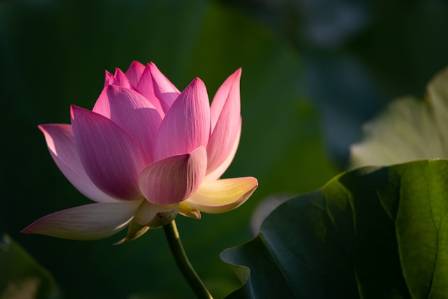
Lotus flowers have captivated people around the world for centuries with their extraordinary elegance. Their delicate blossoms seem to hover above the water, creating the impression of floating crowns of beauty that last only a few brief days. Yet the fascination surrounding lotus flowers is not only because of their appearance. Their deeper appeal comes from the remarkable story hidden beneath the surface.
Elora Quinn
Rider
Desk note
Full dispatch and transfer tips sit below.
Line
Blue Line Walk
Lotus flowers have captivated people around the world for centuries with their extraordinary elegance. Their delicate blossoms seem to hover above the water, creating the impression of floating crowns of beauty that last only a few brief days. Yet the fascination surrounding lotus flowers is not only because of their appearance. Their deeper appeal comes from the remarkable story hidden beneath the surface.
A Plant Born From Mud
The lotus is an aquatic perennial plant with a unique life cycle unlike many other species. It grows from muddy waters and produces graceful flowers that appear pure and untouched despite their origins.
A lotus bloom usually lasts only around two days. Each evening, the flower closes, and by the following morning it opens again, revealing fresh petals. This ability to remain clean and beautiful in muddy environments is connected to what scientists call the “lotus effect.” Tiny structures on the surface of lotus leaves prevent water and dirt from sticking, allowing droplets and impurities to roll away naturally.
For many cultures, this remarkable renewal has become a symbol of spiritual transformation and purity. Ancient Egyptians viewed the blue lotus of the Nile as a symbol connected to creation and the universe. In Hindu traditions, many deities are often portrayed seated on lotus flowers or lotus-shaped seats.
Lotus as a Source of Food and Survival
Beyond its symbolic meaning and visual charm, the lotus has also played an important practical role throughout history. Almost every part of the plant can be used as food, allowing communities to appreciate it not only for its beauty but also for its nourishment.
Even when prepared as a meal, the lotus maintains its unique elegance. When lotus roots are sliced diagonally, they reveal a beautiful pattern created by the plant’s internal air channels, which help the lotus remain buoyant in water.
Lotus roots become wonderfully crisp when fried, with a texture similar to potato chips. They are also commonly added to stir-fries and other dishes. In addition to their appealing texture, lotus roots provide valuable nutrients, including vitamin C, potassium, and other minerals.
Creative Uses of Lotus Stems and Leaves
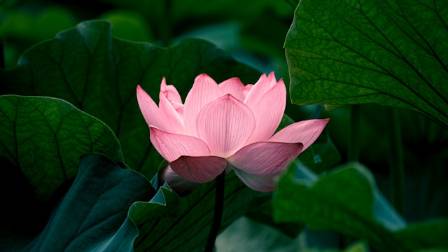
Fresh lotus stems have surprising uses beyond cooking. Because they are hollow, they can function as natural drinking straws. Stories from East Asia even describe clever warriors using lotus stems as breathing tubes while hiding underwater, allowing them to remain concealed until the right moment to act. The plant’s broad leaves helped hide their movements.
Lotus leaves are also widely used in food preparation. They can wrap ingredients such as fish, rice, and other dishes before steaming, adding a subtle natural aroma. In some gardens, lotus leaves serve as natural plates or decorative serving surfaces.
Large lotus leaves can even provide temporary shade, acting like small umbrellas during outdoor walks and garden visits, especially in areas with intense summer sunlight.
The Delicate Flavor of Lotus Flowers
The flowers of the lotus are among the rarest and most delicate parts of the plant. They bloom only once a year during the height of summer, and only fresh blossoms can be used to make lotus flower tea.
This tea is often associated with enlightenment and renewal, reflecting the way the flower opens gracefully and releases its fragrance when placed in hot water. The flavor combines soft notes of vanilla and jasmine, sometimes followed by a gentle bitterness that adds complexity.
Perhaps this fleeting taste serves as a reminder of the beauty found in temporary moments.
Lotus Seeds and Their Remarkable Resilience
Lotus seeds possess another extraordinary quality: their ability to survive for incredibly long periods. When dried, the small dark seeds can be heated until they expand into light, airy pieces similar to popcorn. This snack is enjoyed in many regions, including parts of India and Africa.
Among all parts of the lotus plant, the seeds may be the most fascinating because of their incredible ability to remain dormant. Some lotus seeds have survived for centuries before finally growing again when conditions become suitable.
Their persistence reflects one of the lotus’s greatest characteristics: the ability to endure and begin anew.
A Symbol of Renewal Through Time
The lotus is much more than a beautiful summer flower. Its true wonder lies in its remarkable ability to regenerate, adapt, and continue thriving through different seasons and generations.
From ancient civilizations to modern gardens, the lotus continues to inspire people with its combination of elegance, strength, and resilience.
Visitors can enjoy lotus flowers blooming in late December near the bridge at the end of the main road in the Babylonstoren garden. Just as lotus plants once brought beauty, nourishment, and inspiration to ancient gardens, they continue that tradition today beneath the Simonsberg Mountains.
Nearby stops
 STOP
· en
Hongya Cave: A Stunning Riverside Landmark in Chongqing
Cassiel Rowan
 STOP
· en
The Versatile World of Box Robots: Design, Engineering, and Practical Uses
Victor Julian Ashford
 STOP
· en
5 Things You Need to Know About the Mexican Prairie Dog
Jessica Thomas
 STOP
· en
Colorful living room ideas
Ross Claire
 STOP
· en
The largest known terrestrial gastropod is the giant African land snail.
Liam Thompson
 STOP
· en
Exploring the Enigmatic: 10 Extraordinary Oceanic Creatures Revealed by Scuba Diving
Callum Orion