Dispatch
Maple Leaves Change Color in Fall: Timing, Causes, and Color Intensity
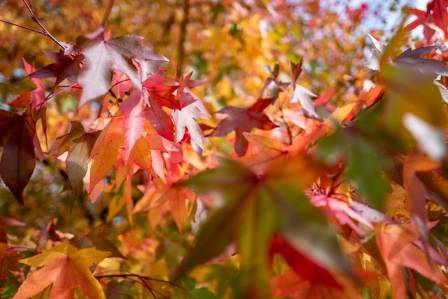
Autumn in the northeastern United States offers some of the most breathtaking natural scenery. Forests across regions such as the Adirondack Mountains transform into brilliant displays of red, orange, and gold. Among all the trees contributing to this seasonal spectacle, maples are often the most admired and recognizable.
Matthew King
Rider
Desk note
Full dispatch and transfer tips sit below.
Line
Blue Line Walk
Autumn in the northeastern United States offers some of the most breathtaking natural scenery. Forests across regions such as the Adirondack Mountains transform into brilliant displays of red, orange, and gold. Among all the trees contributing to this seasonal spectacle, maples are often the most admired and recognizable.
Every year, people ask similar questions: When will the leaves begin turning? Why do some trees change color earlier than others? What causes certain leaves to become red while others appear yellow or orange? Will this year’s foliage be especially vivid?
These questions are more than casual conversation. Many communities throughout New England and upstate New York rely on tourism generated by visitors who travel specifically to view autumn foliage. Leaf colors can also provide valuable insights into environmental conditions and ecosystem health.
Scientific studies conducted by forestry researchers and universities have helped explain the fascinating processes behind fall foliage.
The Science Behind Leaf Color Changes
Leaves serve as factories that produce food for trees through photosynthesis. During spring and summer, they absorb sunlight, water, and carbon dioxide to create sugars that fuel growth while releasing oxygen into the atmosphere.
A pigment called chlorophyll is essential to this process. Chlorophyll gives leaves their familiar green appearance throughout the growing season.
As summer ends and daylight hours become shorter, trees begin preparing for winter dormancy. Cooler nights and decreasing sunlight gradually halt photosynthesis. Chlorophyll breaks down and disappears, revealing other pigments that were previously hidden beneath the dominant green color.
Why Maple Leaves Turn Red
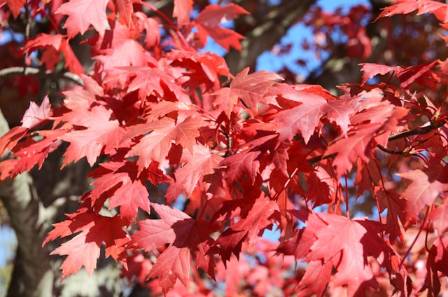
The striking red shades found in maple foliage are created by compounds known as anthocyanins. These pigments are also responsible for the red, purple, and blue colors found in many fruits, vegetables, and flowers.
Anthocyanins serve several protective functions for trees. They help shield leaves from excessive sunlight, reduce drought stress, and assist in repairing cellular damage.
During autumn, sugars become trapped inside leaves as connections between leaves and branches begin closing. These sugars contribute to increased anthocyanin production, particularly when nights are cool but remain above freezing temperatures.
Scientists have long debated why trees invest energy in producing red pigments shortly before leaves are shed. One explanation suggests that anthocyanins protect leaves from frost damage, allowing trees additional time to recover nutrients such as sugars and nitrogen before leaf drop.
Another theory proposes that anthocyanins from fallen leaves enrich the soil around the tree and may help discourage competing vegetation during the dormant season.
Why Leaves Become Orange, Yellow, and Brown
Orange coloration is largely produced by carotenoid pigments, especially beta-carotene. This is the same pigment responsible for the orange color of carrots. Beta-carotene reflects red and yellow wavelengths of light, creating vibrant orange foliage.
Yellow leaves primarily owe their color to xanthophylls, another group of carotenoid pigments. These compounds are also found in foods such as egg yolks.
Brown tones appear later in the season and are mainly caused by tannins. These substances remain after other pigments fade and represent leftover compounds within aging leaves.
Conditions That Create Brilliant Autumn Foliage
The most impressive displays of fall color generally occur when several favorable weather conditions align.
Late summer should be relatively dry.
Autumn days should receive abundant sunshine.
Autumn nights should be cool, ideally ranging around 40°F (4–9°C) without dropping below freezing.
These conditions encourage greater anthocyanin production, resulting in richer reds and more vibrant foliage.
Conversely, prolonged cloudy weather and unusually warm nights during early autumn tend to produce duller colors. An early hard frost can also shorten the season by causing leaves to drop prematurely.
Why Some Trees Change Color Earlier
Occasionally, a maple tree may begin turning color weeks before surrounding trees. Early color change often indicates that the tree is experiencing stress.
Possible causes include nutrient deficiencies, disease, drought, root damage, or insect activity. Under stress, trees may increase anthocyanin production sooner than healthy trees.
Some researchers have also suggested that red coloration may discourage certain insects that prefer green foliage, offering an additional protective benefit.
Climate Change and Fall Foliage
Scientists continue to study how long-term climate shifts may influence autumn colors.
In the near future, warmer temperatures could lead to less intense foliage displays and may delay or shorten the peak viewing season. Changes in rainfall patterns may also affect color quality.
Over longer periods, warming conditions may gradually force maple populations to migrate northward or to higher elevations where temperatures remain suitable.
Historical observations show that rising temperatures have already encouraged maples and other hardwood species to move upslope in parts of the northeastern United States. Climate projections suggest that some areas currently known for vibrant autumn foliage may experience significantly different growing conditions over the next century.
However, future outcomes remain uncertain, and different climate models predict varying impacts on maple populations.
The Lasting Value of Maple Trees
Maples contribute far more than beautiful autumn landscapes. They provide shade during summer, produce valuable timber, support wildlife habitats, and supply the sap used to make maple syrup.
Their brilliant fall colors remain one of nature’s most celebrated seasonal displays. Whether glowing in shades of crimson, gold, or orange, maple forests continue to inspire visitors and play an important role in both local economies and natural ecosystems. Their beauty makes them one of the most treasured trees in North America.
Nearby stops
 STOP
· en
Top-Rated Sedans for Maximum Safety in 2025
Isabella Harris
 STOP
· en
Flower Arranging Basics: A Beginner's Guide
Skyler Reed
 STOP
· en
Everything you need to know about parrots
Dominic Shaw
 STOP
· en
Yosemite National Park: World Heritage Site
Asher Quinn
 STOP
· en
The Influence of Suits: A Timeless Emblem of Power and Elegance for Men
Wyatt Finn
 STOP
· en
5 Outdoor Sports to Relieve Stress and Elevate Your Mood
Charlotte