Dispatch
Explore the Cultural Significance and Beauty of Cherry Blossoms
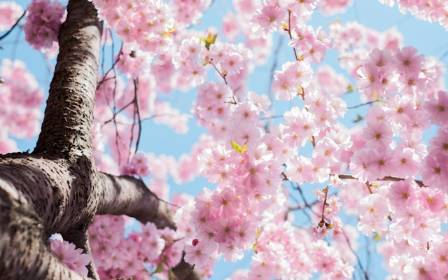
The cherry blossom, commonly known as sakura, occupies an important symbolic role in Japanese culture. These delicate yet breathtaking flowers appear briefly each spring, transforming landscapes across cities and rural areas into soft pink and white scenery. The blooming season typically lasts only about two weeks, beginning in the southern region of Kyushu around late March and gradually moving northward until reaching Hokkaido by early May.
Taylor Reed
Rider
Desk note
Full dispatch and transfer tips sit below.
Line
Blue Line Walk
The cherry blossom, commonly known as sakura, occupies an important symbolic role in Japanese culture. These delicate yet breathtaking flowers appear briefly each spring, transforming landscapes across cities and rural areas into soft pink and white scenery. The blooming season typically lasts only about two weeks, beginning in the southern region of Kyushu around late March and gradually moving northward until reaching Hokkaido by early May.
Sakura is closely tied to Japanese philosophy and aesthetics. The idea of mono no aware, which expresses sensitivity to the fleeting nature of life, is beautifully reflected in the short-lived but spectacular blooming period. This awareness inspires a gentle sense of melancholy while deepening appreciation for temporary beauty, especially during the traditional hanami gatherings.
Hanami refers to the practice of flower viewing under blooming cherry trees. It is not merely observing nature but a long-standing social tradition involving picnics, drinks, and time shared with family or friends. Originating in the Nara period, the custom initially focused on plum blossoms before shifting to cherry blossoms in the Heian era. Today, people gather in parks and temples across Japan, from Tokyo to rural areas, often placing mats beneath the trees to enjoy the season.
Famous viewing locations exist throughout the country. Historic cities like Kyoto and Nara offer scenic temple gardens and traditional surroundings, while modern urban areas such as Tokyo provide a striking contrast between city architecture and soft blossoms. Popular sites like Ueno Park and Chidorigafuchi become especially lively, with nighttime illumination known as yozakura adding a magical atmosphere.
Participating in hanami allows people to appreciate natural beauty while also gaining cultural insight. The experience encourages reflection on life’s impermanence and fosters a sense of community, welcoming both locals and international visitors.
Historical Significance of Cherry Blossom Viewing
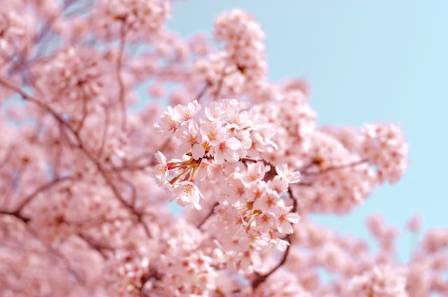
Cherry blossom viewing, or hanami, carries deep historical roots in Japan that extend back more than a millennium. What began as an aristocratic custom has evolved into a nationwide cultural event enjoyed by people from all walks of life, including international travelers.
During the Nara period, early hanami practices were reserved for the elite, and plum blossoms were initially the main focus. By the Heian period, cherry blossoms replaced plum blossoms in popularity, largely influenced by imperial traditions in Kyoto where court nobles held elegant gatherings beneath sakura trees.
Classical Japanese literature further strengthened the cultural importance of cherry blossoms. Works such as The Tale of Genji depict aristocrats admiring the fragile beauty of sakura, reinforcing themes of impermanence and refined aesthetics.
In the Edo period, hanami became widely accessible to common people. Leaders of the time encouraged sakura planting in public spaces, helping spread the tradition across society. Many well-known viewing areas today, including Tokyo’s Ueno Park, were developed during this era.
In modern times, hanami remains a major seasonal event in Japan. Millions participate each year, turning parks into social spaces filled with food, laughter, and celebration beneath blooming trees. These gatherings help preserve cultural continuity while inviting global participation.
Seasonal festivals also accompany cherry blossom time, showcasing regional food, crafts, and cultural performances. These events enrich the viewing experience and provide deeper insight into Japanese heritage.
Top 5 Cherry Blossom Spots in Tokyo
Tokyo offers many spectacular locations to enjoy sakura, attracting both residents and visitors every spring. These spots combine natural beauty with urban scenery, making hanami an unforgettable experience.
1 Ueno Park: One of Tokyo’s most famous cherry blossom destinations, Ueno Park contains over a thousand sakura trees along its main paths. During peak bloom, the area becomes filled with hanami groups, and lantern lighting at night creates a glowing, festive atmosphere.
2 Chidorigafuchi: Located near the Imperial Palace, this scenic moat is lined with cherry trees. Visitors can rent small boats to view blossoms from the water, offering a peaceful and memorable perspective during peak season.
3 Shinjuku Gyoen: This large garden provides a calmer environment for hanami. It contains more than a thousand cherry trees of different varieties, extending the blooming period. The park blends Japanese, English, and French garden designs and requires a small entry fee.
4 Sumida Park: Situated beside the Sumida River, this park offers excellent views of sakura with Tokyo Skytree visible in the background. Seasonal stalls and boat activities enhance the lively spring atmosphere.
5 Meguro River: The riverbanks are lined with hundreds of cherry trees, forming a tunnel-like corridor of blossoms. At night, reflections on the water and soft lighting create a romantic and picturesque scene.
Kyoto’s Hidden Cherry Blossom Retreats
Kyoto, famous for its historical atmosphere and cultural depth, also features many quieter cherry blossom locations. These hidden spots offer a more peaceful alternative to crowded tourist areas, allowing visitors to enjoy sakura in a calm setting.
1 Haradani-en Garden: Located in northern Kyoto hills, this private garden opens during cherry blossom season. It features a wide variety of sakura trees that create layered pink scenery across the landscape.
2 Yoshimine-dera Temple: Situated on a hillside, this temple provides panoramic views of cherry blossoms against mountain backdrops. Its large weeping cherry tree is especially admired during peak bloom.
3 Sewari-tei Embankment: Found along the Yodo River, this long riverside stretch is lined with cherry trees over nearly a kilometer. It is popular among locals seeking a quieter hanami experience.
4 Jojakko-ji Temple: Located in Arashiyama, this temple is surrounded by natural scenery and offers a scenic walking path lined with cherry trees leading uphill.
5 Demachiyanagi Area: Along the Kamo River, this area features rows of sakura trees that bloom beautifully in spring. The flowing river adds a sense of calm and natural harmony to the experience.
Nearby stops
 STOP
· en
The Intelligent and Colorful Birds of the World
Torin Fletcher
 STOP
· en
The Luminous Kitchen: 13 Design Strategies for a Brighter, Airier Space
Mabel Baldwin
 STOP
· en
10 Fascinating Facts About the Great Sphinx of Egypt
Diana
 STOP
· en
A Comprehensive Guide to Drawing Chibi Characters and Creating Art Merchandise
Dylan Hawthorne
 STOP
· en
Meet the Everblooming Sweet Olive
Owen Prescott
 STOP
· en
How to Design a Flower in a Geometric Style
Blair Mercer